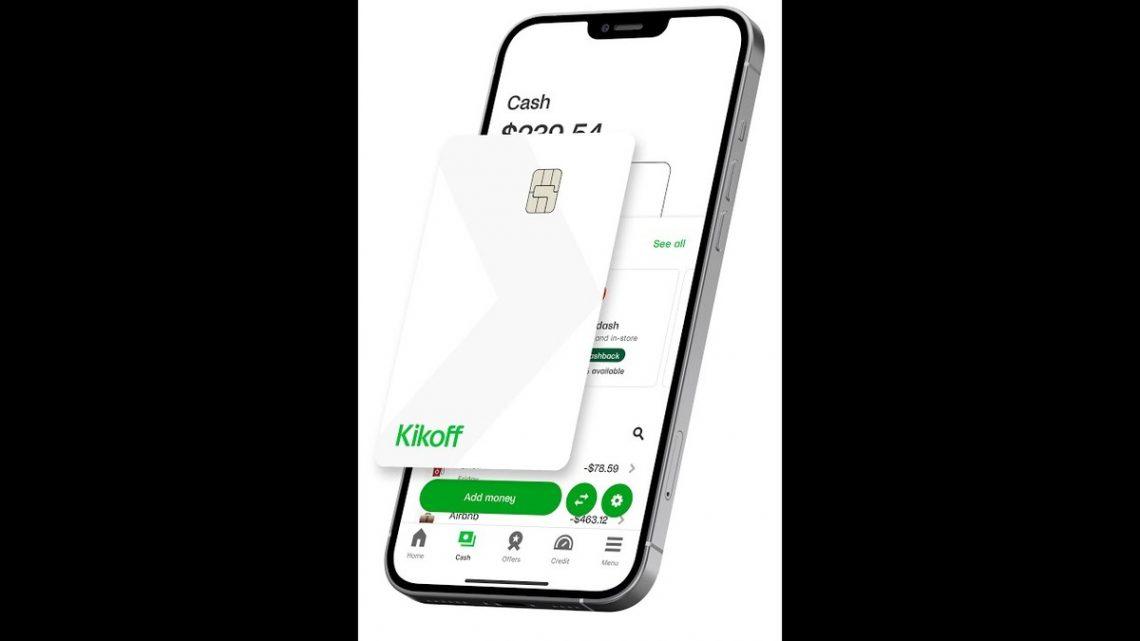
My Journey to a Better Credit Score: A Deep Dive into Kikoff
Hey everyone! Today, I want to chat about something that’s super important but often feels like a giant, confusing monster: credit. Specifically, I want to share my personal experience with a service that genuinely made a difference for me: Kikoff. If you’re in the US and trying to build or improve your credit score, you’ve probably heard of them, or maybe you’re just starting your research. Either way, pull up a chair, because I’m going to lay out everything I learned and experienced.
For years, credit felt like a Catch-22. You need credit to get credit, right? It’s like trying to get a job without experience – employers want experience, but how do you get experience without a job? My situation wasn’t dire, but it wasn’t great either. I had a „thin file,“ meaning not much credit history. I’d always paid my bills on time, but I hadn’t had a lot of traditional credit accounts like credit cards or loans. This meant when I wanted to apply for an apartment, or even just a decent cell phone plan, my options were limited, and interest rates were higher. It was frustrating.
I looked into all sorts of options: secured credit cards, credit builder loans, asking a family member to co-sign (which I really didn’t want to do). Each had its pros and cons, but many required an upfront deposit I wasn’t thrilled about parting with, or they felt a bit too complicated for what I needed – which was simply a way to establish a positive payment history.
That’s when I stumbled upon Kikoff. I saw a few ads and read some articles, and the concept immediately appealed to me. It sounded like a straightforward, low-cost way to get on the credit report radar. No hard credit check to get started? A small monthly payment that reports to all major credit bureaus? It sounded almost too good to be true, which, naturally, made me a little skeptical. But my curiosity got the better of me.
Signing Up for Kikoff: Easier Than I Expected
The signup process for Kikoff was surprisingly simple. I went to their website, and the application took maybe five minutes. They asked for basic information – name, address, Social Security number – typical stuff for any financial service. What was different, though, was the lack of a credit check. Seriously, no hard pull on my credit report, which was a huge relief. I didn’t want another inquiry dinging my already sparse file.
They primarily offer two products: the Kikoff Credit Account and the Kikoff Secured Credit Card. I started with the Kikoff Credit Account because it was the original offering and seemed like the most direct path for my immediate goal of establishing a payment history.
Here’s how the Kikoff Credit Account works, in a nutshell: When you sign up, you open a revolving line of credit with Kikoff. They essentially give you a small credit line (often $750). To „use“ this credit line, you make a small purchase from their „Kikoff Store“ – it’s not a real store with physical goods, but rather digital products like financial literacy courses or eBooks. The purchase is usually for something like $10-$12. This isn’t a cost in addition to your monthly fee; it’s the *initial charge* on your new Kikoff line of credit.
Then, you pay off that small purchase over several months with even smaller payments, typically $5 or $10 a month. This is the genius part! These tiny, consistent payments are what Kikoff reports to the major credit bureaus (Equifax, Experian, and TransUnion) every single month. By consistently paying your $5 or $10 on time, you’re building a solid history of responsible credit use.
My first Kikoff payment was so easy to set up with autopay. I honestly almost forgot about it, which is exactly what you want for something designed to run in the background and build your credit. That monthly $5 just quietly left my bank account, and I knew it was doing good work for my credit profile.
Watching My Credit Score Grow (Slowly, Then Surely!)
I wouldn’t say my credit score skyrocketed overnight, and anyone promising that is probably misleading you. Credit building is a marathon, not a sprint. However, the impact of Kikoff was undeniable, especially for someone like me with a thin credit file.
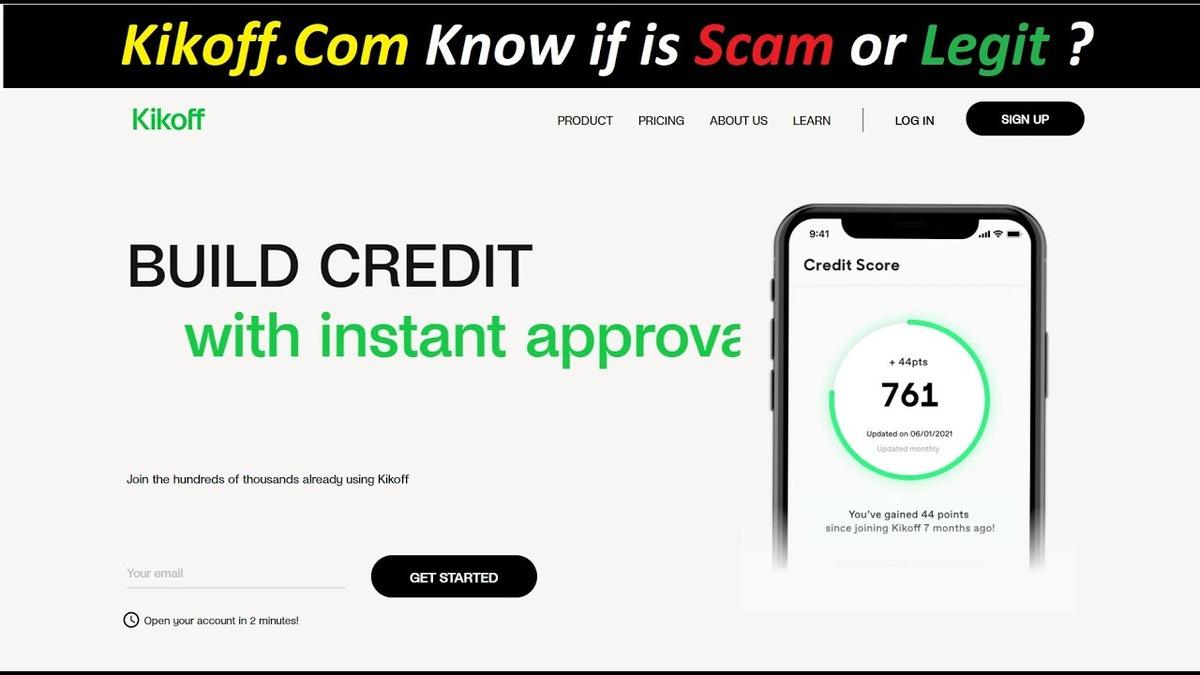
Within a couple of months, I started seeing the Kikoff Credit Account appear on my credit reports. It was just a small line of credit, but it was *there*. This was a game-changer. My credit utilization was incredibly low (since I only had that small $10 „purchase“ on a $750 line of credit), and more importantly, I was establishing a perfect payment history.
I remember checking my credit score through one of the free services available and seeing a noticeable bump. It wasn’t massive, maybe 20-30 points initially, but for someone with very little history, that was huge. Over time, as more on-time payments were reported, that positive impact continued to grow.
The confidence that came with seeing my score improve was empowering. It made me feel like I was finally taking control of my financial future, rather than feeling stuck. If you’re looking to take that first step, I genuinely recommend checking them out. You can learn more and sign up here: Visit Official kikoff Website Now.
Digging Deeper: The Kikoff Secured Credit Card
After several months of using the Kikoff Credit Account and seeing positive results, I decided to explore their other offering: the Kikoff Secured Credit Card. This product is a bit different but complements the credit account nicely.
Unlike traditional secured cards, Kikoff’s version doesn’t require a security deposit of hundreds of dollars. Instead, you secure your credit limit with your Kikoff savings account balance. You fund this savings account, and that balance becomes your credit limit. This means you can start with a very small amount, like $10, and build it up as you feel comfortable. The beauty is that the money in your savings account is still *your* money, earning a little interest, and it’s not tied up permanently like a traditional security deposit often is.
I transferred a small amount into the Kikoff savings account to get the secured card. It works just like any other Visa card for purchases. The key, again, is making small purchases and paying them off *before* your statement closes, or at least by the due date. This helps keep your credit utilization low and builds more positive payment history.
The combination of the Kikoff Credit Account and the Kikoff Secured Credit Card really solidified my credit profile. I now had two distinct lines of credit being reported, both showing perfect payment history and low utilization. This diversity in credit types can also be beneficial for your score.
What I Loved (Pros) and What Could Be Better (Cons) About Kikoff
Like any service, Kikoff isn’t a magic bullet, but it has some really strong points, especially for certain situations.
The Good Stuff (Pros):
* **No Credit Check to Start:** This is probably its biggest selling point for many people. If you have no credit, bad credit, or just don’t want another inquiry, this is huge.
* **Affordable:** A $5 or $10 monthly payment for the Kikoff Credit Account is incredibly low-cost, especially when compared to the fees or high interest rates of some other credit-building products. The secured card allows you to start with a very small deposit too.
* **Reports to All Major Bureaus:** This is critical. Some credit-building services only report to one or two bureaus. Kikoff reports to Equifax, Experian, and TransUnion, ensuring your efforts are seen across the board.
* **Simplicity and Automation:** Once set up, it pretty much runs itself. You set up autopay, and your credit gets built in the background. It’s truly passive credit building.
* **Boosts Payment History and Utilization:** These are two of the most important factors in your credit score. Kikoff helps you nail both.
* **Good for Thin Files:** If you’re starting from scratch or have very little credit history, Kikoff can quickly give you a legitimate tradeline.
Areas for Improvement (Cons):
* **Not a Quick Fix for Severely Damaged Credit:** While it helps, Kikoff isn’t going to erase serious negative marks like bankruptcies or collections overnight. It’s a tool for *building* positive history, which can help offset negatives over time, but it needs to be part of a broader strategy if your credit is severely damaged.
* **Small Credit Limits:** The initial $750 line of credit for the Kikoff Credit Account is small, and the secured card’s limit is based on your deposit. While great for utilization, it’s not meant for making large purchases.
* **Small Monthly Fee:** While only $5-$10, it is a recurring fee for the Credit Account. You need to be consistent with these payments for it to work. If you miss payments, it will hurt your score, just like any other credit account.
* **Digital „Purchases“:** The fact that the initial purchase for the Kikoff Credit Account is for digital products can feel a bit odd. It’s not like you’re buying something tangible you actually *need*. But you have to remember the goal here isn’t the product; it’s the payment history it generates.
What Others Are Saying About Kikoff
I’m not the only one who’s found Kikoff helpful. I’ve seen a lot of positive feedback from people in similar situations. Here are a few things I’ve heard:
„I had basically no credit history after moving to the US. Within four months of using Kikoff, I saw my score jump by 40 points! It was exactly what I needed to get my foot in the door for a better apartment lease.“ – *Maria S.*
„I was skeptical about paying $5 a month for an ‚eBook,‘ but honestly, the impact on my credit file was worth it. It’s like a subscription to a better credit score. My FICO went up 25 points, and I can finally qualify for a regular credit card now.“ – *David R.*
„Kikoff isn’t magic, but it’s a solid, reliable way to add a positive tradeline. I combined it with a secured card from my bank, and between the two, my score improved enough that I got approved for an auto loan with a decent interest rate. It takes discipline to pay on time, but it pays off.“ – *Jessica L.*
„I wish I had known about Kikoff sooner! I always struggled with getting approved for anything because I never used credit. Now, I have a verifiable payment history being reported every month. It’s a simple fix for a common problem.“ – *Omar K.*
These stories echo my own experience – Kikoff fills a specific, important niche for credit building, especially for those who are just starting out or need to establish a positive payment pattern.
Who Is Kikoff For?
Based on my experience and what I’ve learned, Kikoff is ideal for:
* **Credit Invisibles:** People with absolutely no credit history.
* **Thin File Seekers:** Those who have a credit report but with very few accounts.
* **Credit Builders:** Individuals looking for a low-risk, affordable way to establish positive payment history.
* **Score Boosters:** People who need a slight bump in their score and want to add a reliable tradeline with low utilization.
* **Financial Beginners:** Anyone looking to understand how credit works through a practical, low-stakes application.
If you’re in a situation where you need to get your credit journey started, or simply add a robust positive payment history to your profile, Kikoff is absolutely worth considering.
Maximizing Your Kikoff Experience
To get the most out of Kikoff, here are a few tips based on my journey:
1. **Set Up Autopay:** This is non-negotiable. Make sure your monthly $5 or $10 payment is automatically debited. Missing a payment defeats the entire purpose and can harm your score.
2. **Monitor Your Credit:** Use free services like Credit Karma, Experian, or your bank’s credit monitoring tool to track your progress. See when Kikoff reports and how your score changes. It’s motivating!
3. **Understand Credit Utilization:** Keep your Kikoff Secured Card utilization very low. Ideally, pay off any small purchases before the statement even closes, or at least ensure you never carry a large balance. For the Kikoff Credit Account, your utilization will naturally be low due to the small „purchase“ and large credit line.
4. **Combine with Other Strategies:** While Kikoff is great, it’s even more effective when combined with other smart financial habits. If appropriate, consider a secured credit card from your bank (if you want a higher limit for a deposit), or look into becoming an authorized user on a trusted family member’s credit card.
Final Thoughts on My Kikoff Journey
Looking back, signing up for Kikoff was one of the smartest financial decisions I made for my credit health. It demystified the credit-building process and provided a clear, actionable path to a better credit score. I went from having a „thin file“ that often felt like a barrier to finally having a solid, positive credit history that opened up more opportunities. It wasn’t about getting rich quick, but about building a stable foundation.
If you’ve been on the fence, or if you’re feeling overwhelmed by the credit landscape, I encourage you to check out what Kikoff has to offer. It’s a simple tool that can deliver significant results when used consistently and responsibly. Ready to start building that positive credit history? Take a look for yourself: Visit Official kikoff Website Now. It might just be the push your credit score needs!
Thank you for reading about my experience. I hope it helps you on your own credit journey.
Visit Official kikoff Website Now
Visit Official kikoff Website Now


Das könnte dich auch interessieren

Bootstour auf der Spree: Lohnt sich das wirklich?

Minha Experiência Detalhada com a FlixBus no Brasil: Vale a Pena Viajar?